truck repair

truck maintenance checklist NJ

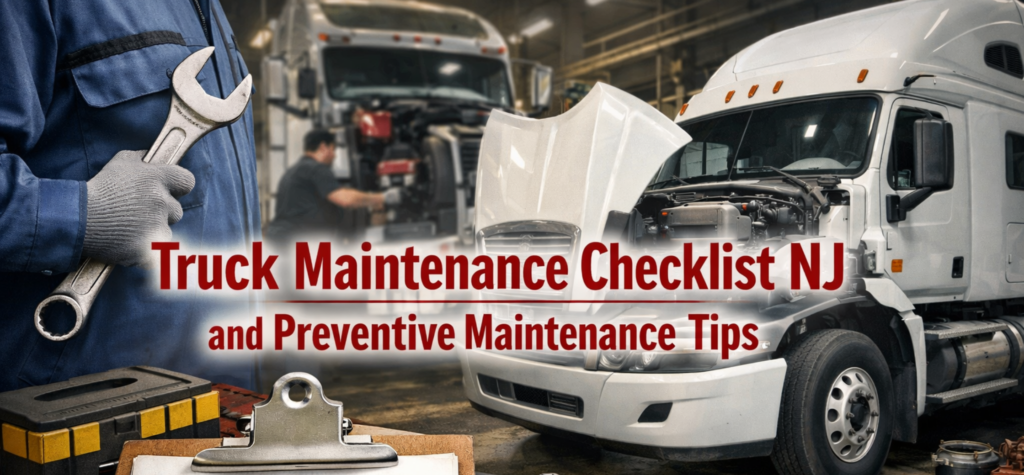
Truck Maintenance Checklist NJ and Preventive Maintenance Tips

Commercial trucks operating in New Jersey are exposed to some of the most demanding driving conditions in the country. Congested highways, frequent stop and go traffic, coastal humidity, winter road salt, and strict DOT enforcement all put continuous strain on heavy duty vehicles. Without a structured preventive maintenance routine, even a well maintained truck can quickly develop problems that lead to breakdowns, fines, or long periods of downtime. A proper truck maintenance checklist NJ is not just a list of tasks. It is a system that protects your truck, your income, and your safety. Preventive maintenance allows truck owners to catch wear early, schedule repairs on their terms, and avoid the high cost of emergency service. This guide is written for owner operators, fleet managers, and commercial drivers who want a realistic, practical maintenance plan that works in real world New Jersey conditions. Why Preventive Truck Maintenance Matters in New Jersey Preventive truck maintenance is especially important in New Jersey because trucks here operate under constant mechanical stress. Heavy traffic causes excessive braking and idling, which accelerates brake wear and engine strain. Winter weather introduces freezing temperatures, road salt, and moisture that damage brake systems, electrical wiring, and undercarriage components. Summers bring heat and humidity that push cooling systems and engines to their limits. When maintenance is ignored or delayed, small issues compound quickly. A minor air leak can become a full brake failure. Dirty oil can lead to engine overheating. Uneven tire wear can result in blowouts or steering problems. Preventive maintenance breaks this cycle by addressing issues before they escalate. From a compliance perspective, New Jersey DOT inspections are unforgiving. Maintenance related violations such as worn brakes, damaged tires, fluid leaks, or faulty lights are among the most common reasons trucks are placed out of service. Following a consistent truck maintenance checklist NJ keeps your vehicle inspection ready at all times, reducing stress and protecting your livelihood. Complete Truck Maintenance Checklist NJ This section breaks down every major system that requires regular inspection and truck repair services in New Jersey. Each subsection explains what to inspect, why it matters, and what risks come from neglecting it. 1. Engine and Diesel System Maintenance The engine is the most expensive and critical component of a commercial truck. Diesel engines are built for durability, but they still require consistent care to perform efficiently. In New Jersey driving conditions, engines experience long idle times, frequent load changes, and temperature fluctuations that accelerate wear. Preventive truck engine repair focuses on cleanliness, lubrication, and airflow. Oil lubricates internal components and carries heat away from the engine. Over time, oil breaks down and becomes contaminated with soot and debris. If oil changes are delayed, friction increases, engine temperatures rise, and internal damage begins. Key engine maintenance tasks include:• Monitoring oil level and oil condition• Replacing oil and filters at proper intervals• Inspecting air intake systems for blockages• Checking fuel injectors and fuel lines• Watching for warning lights or performance changes Fuel system health is equally important. Dirty fuel or clogged injectors reduce combustion efficiency, leading to power loss and poor fuel economy. Air filters that are clogged restrict airflow and cause the engine to work harder than necessary. Preventive maintenance keeps the engine running smoothly, improves mileage, and extends engine life significantly. 2. Brake System and Air Brake Maintenance Brake systems are one of the most heavily regulated components on a commercial truck. In New Jersey, brake related violations are a leading cause of failed DOT inspections. Air brake systems are reliable when maintained, but they are sensitive to moisture, wear, and air leaks. Preventive brake maintenance begins with regular inspections. Brake pads, shoes, drums, and rotors wear gradually and often show warning signs before failure. Air brake systems also collect moisture over time, especially in humid or cold conditions. If moisture is not drained, it can freeze in winter or cause internal corrosion year round. Brake maintenance should include:• Measuring brake pad and shoe thickness• Inspecting drums and rotors for cracks or scoring• Checking air lines, valves, and fittings for leaks• Draining air tanks regularly• Testing brake response and stopping distance Neglecting brake maintenance increases stopping distance and raises accident risk. It also leads to expensive repairs and potential out of service orders. Preventive inspections ensure brakes perform consistently under heavy loads and emergency conditions. 3. Transmission and Clutch System Maintenance Transmission failures are among the most expensive repairs a truck owner can face. Preventive maintenance helps detect early warning signs long before catastrophic damage occurs. In heavy traffic areas common throughout New Jersey, transmissions are under constant stress due to frequent gear changes. Transmission fluid lubricates gears, reduces heat, and removes contaminants. Over time, fluid breaks down and loses effectiveness. Low or dirty fluid causes excessive friction and overheating, which leads to internal damage. Preventive transmission care includes:• Checking fluid levels and fluid color• Inspecting for leaks around seals and lines• Monitoring shifting smoothness• Testing clutch engagement and pedal response Slipping gears, delayed shifts, or grinding noises should never be ignored. Early service can prevent complete transmission failure and keep repair costs manageable. 4. Suspension and Steering System Maintenance Suspension and steering systems directly affect vehicle control, stability, and driver comfort. New Jersey roads expose trucks to potholes, uneven pavement, and constant lane changes that accelerate wear in these systems. Suspension components absorb shock and maintain tire contact with the road. When shocks, bushings, or springs wear out, trucks become harder to control and tires wear unevenly. Steering components such as tie rods and ball joints are critical for precise handling and safe lane control. Preventive inspections include:• Checking shocks and struts for leaks• Inspecting leaf springs and mounting points• Testing steering responsiveness• Inspecting ball joints, tie rods, and bushings Ignoring suspension and steering issues leads to poor handling, increased tire costs, and higher accident risk. Preventive maintenance keeps the truck stable and predictable in all driving conditions. 5. Electrical System and Battery Maintenance Electrical systems power everything from engine sensors to

Truck Maintenance Checklist NJ and Preventive Maintenance Tips Read More »
trailer brake repair near me

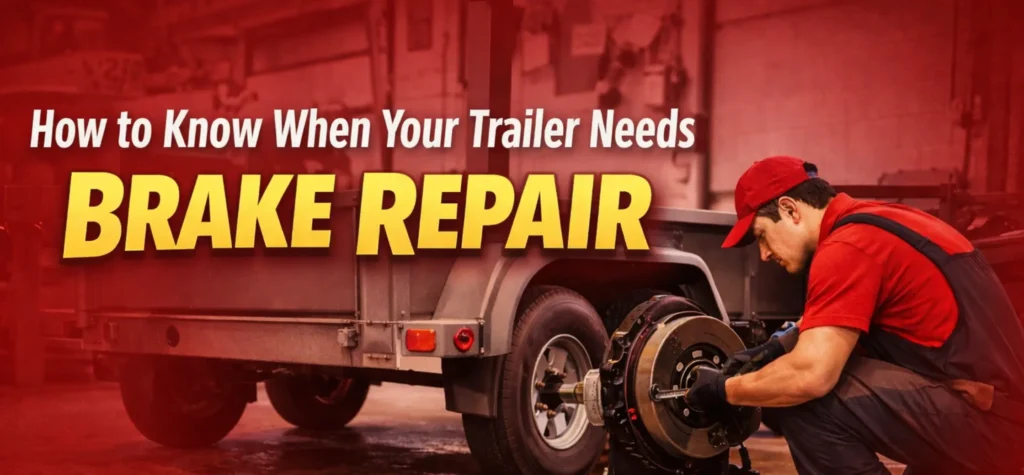
How to Know When Your Trailer Needs Brake Repair

As a truck driver, nothing is more stressful than turning the key and realizing your truck will not start. Whether you operate a semi-truck, heavy-duty vehicle, or diesel rig, a no-start scenario can disrupt your schedule, delay deliveries, and lead to unexpected expenses. For drivers in South River, NJ, this problem is even more pressing. Winter salt, humid summers, and variable diesel quality all affect truck reliability. Knowing what to do if your truck will not start not only helps you get back on the road quickly but also prevents long-term damage and costly repairs. This guide will walk you through common reasons trucks fail to start, detailed troubleshooting steps, when to call a professional, preventative maintenance tips, and the importance of local support. Whether you’re a fleet driver or an owner-operator, this guide is designed to help you act quickly and confidently. Common Reasons Your Truck Will Not Start Identifying the common truck problems and root cause of a truck’s failure to start is the first step toward resolving the problem. Many issues are common across semi-trucks and heavy-duty vehicles, and recognizing them early can prevent further damage. Battery Issues The battery is the single most common cause of trucks that will not start. Symptoms of a battery problem include: Dashboard lights dim or flicker Clicking sound when turning the key Engine cranks slowly or not at all Inspect your battery for corrosion, loose terminals, and physical damage. South River, NJ drivers should be especially mindful during winter, when cold weather reduces battery efficiency. Carrying a truck-rated jump starter is recommended for all drivers. Fuel-Related Problems A truck will not start if it lacks fuel or has contaminated diesel. Look for: Engine cranks but does not ignite Sputtering or inconsistent starting Hard starts after refueling Using clean diesel from trusted sources and checking fuel filters regularly is essential. Keeping a small reserve of high-quality diesel can prevent emergencies. Starter Motor or Ignition Issues Problems with the starter motor or ignition system prevent the engine from turning over. Signs include: Clicking or grinding noises No engine response despite battery power Intermittent starting Older trucks may experience wear in the ignition cylinder. Avoid forcing the key, as it could cause permanent damage. Electrical System Failures Modern trucks rely on complex electrical systems. Faulty fuses, relays, or wiring can stop a truck from starting. Inspect for: Burnt or blown fuses Loose or corroded connections Malfunctioning relays Document any dashboard warning codes and truck engine repair sign for professional diagnostics if needed. How to Troubleshoot a Truck That Will Not Start After checking the basics, follow these step-by-step troubleshooting methods to identify and potentially fix the issue. Check Your Battery and Connections Inspect terminals for corrosion or looseness. Test voltage using a multimeter. Ensure proper cable connections, especially on dual batteries in semi-trucks. Use a truck-specific jump starter if necessary. A weak or dead battery is often the easiest problem to resolve. South River, NJ drivers should carry jumper cables or a booster pack designed for heavy trucks. Inspect Fuel Levels and Quality Confirm sufficient fuel is present. Look for signs of contamination (cloudy diesel, water in the fuel). Check for clogged fuel lines or filters. Clogged fuel filters are a frequent reason diesel trucks fail to start. Replacing filters regularly prevents downtime. Seasonal additives can also prevent gelling in winter. Starter and Ignition Checks Listen for clicking or grinding noises when turning the key. Inspect starter motor connections. Test ignition switch functionality if the engine fails to crank. Professional inspection is recommended if these steps do not resolve the issue, as improper DIY repairs can worsen the problem. Examine Fuses and Relays Check engine, battery, and starter fuses. Replace any blown fuses with spares kept on hand. Test relays for continuity. Proper maintenance of fuses and relays ensures your truck’s electrical systems function correctly and prevents sudden no-start scenarios. Check Engine Warning Lights Observe dashboard lights and note any error codes. Common indicators include fuel system warnings, battery alerts, or engine faults. Document codes for repair technicians to ensure accurate diagnosis. Ignoring warning lights can lead to major engine or electrical damage. When to Call a Professional Truck Repair Service in South River NJ Some issues require expert tools and knowledge. Calling a professional can prevent additional damage and reduce downtime. Signs You Need Expert Help Engine clicks but does not turn over Smoke, burning smells, or unusual noises Multiple dashboard warning lights Intermittent or repeated starting failures Attempting complex repairs without proper tools may make the situation worse. Mobile truck repair professionals can diagnose and fix battery, fuel, or starter issues on-site. Mobile Truck Repair vs Towing Mobile repair services provide on-site troubleshooting and repair. Benefits include: Immediate assistance without waiting for towing Reduced downtime Accurate diagnostics and professional repair Towing is necessary for severe engine or mechanical failures. Partnering with a trusted South River, NJ truck repair service ensures fast response times and minimal disruption. Preventative Maintenance to Avoid Starting Problems Regular truck maintenance prevents most truck starting issues and ensures long-term vehicle reliability. Battery Maintenance Inspect for corrosion, tight connections, and proper charge Test voltage regularly Replace batteries on schedule Carry a truck-specific jump starter for emergencies Fuel System Checks Replace fuel filters on schedule Inspect fuel lines for cracks or leaks Use high-quality diesel and seasonal additives Keep spare filters in your truck for emergencies Electrical and Starter System Inspections Inspect wiring, fuses, and relays for wear or damage Replace faulty components proactively Listen for unusual noises from starter or alternator Regular Engine Checkups Schedule inspections with a heavy truck repair South River NJ provider to identify hidden issues, such as sensor failures or fuel pump problems, before they become emergencies. Seasonal Safety Tips Winter: Check batteries and diesel additives to prevent gelling Summer: Inspect cooling systems to prevent overheating Always carry gloves, eye protection, and safety triangles for roadside emergencies The Importance of Local Truck Repair Services in South River NJ Having access to a trusted truck

How to Know When Your Trailer Needs Brake Repair Read More »

what to do if your truck will not start

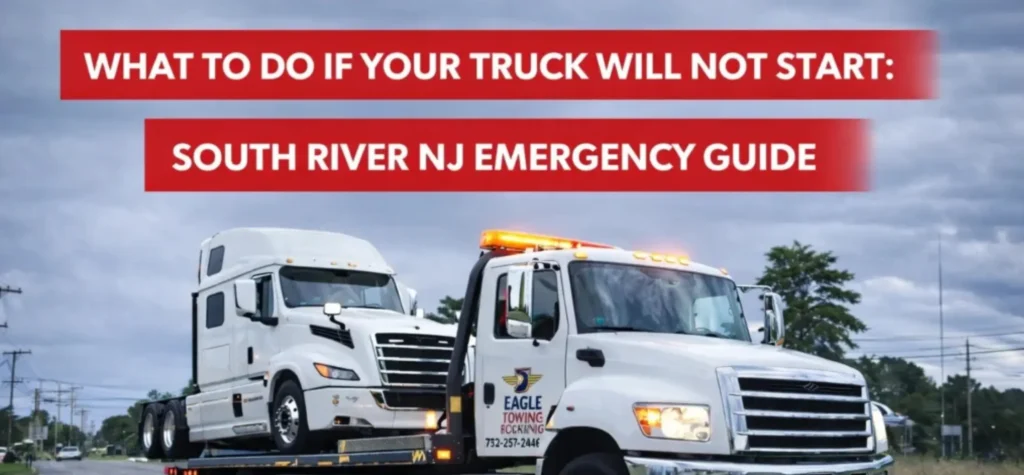
What to Do If Your Truck Will Not Start: South River NJ Emergency Guide

As a truck driver, nothing is more stressful than turning the key and realizing your truck will not start. Whether you operate a semi-truck, heavy-duty vehicle, or diesel rig, a no-start scenario can disrupt your schedule, delay deliveries, and lead to unexpected expenses. For drivers in South River, NJ, this problem is even more pressing. Winter salt, humid summers, and variable diesel quality all affect truck reliability. Knowing what to do if your truck will not start not only helps you get back on the road quickly but also prevents long-term damage and costly repairs. This guide will walk you through common reasons trucks fail to start, detailed troubleshooting steps, when to call a professional, preventative maintenance tips, and the importance of local support. Whether you’re a fleet driver or an owner-operator, this guide is designed to help you act quickly and confidently. Common Reasons Your Truck Will Not Start Identifying the common truck problems and root cause of a truck’s failure to start is the first step toward resolving the problem. Many issues are common across semi-trucks and heavy-duty vehicles, and recognizing them early can prevent further damage. Battery Issues The battery is the single most common cause of trucks that will not start. Symptoms of a battery problem include: Dashboard lights dim or flicker Clicking sound when turning the key Engine cranks slowly or not at all Inspect your battery for corrosion, loose terminals, and physical damage. South River, NJ drivers should be especially mindful during winter, when cold weather reduces battery efficiency. Carrying a truck-rated jump starter is recommended for all drivers. Fuel-Related Problems A truck will not start if it lacks fuel or has contaminated diesel. Look for: Engine cranks but does not ignite Sputtering or inconsistent starting Hard starts after refueling Using clean diesel from trusted sources and checking fuel filters regularly is essential. Keeping a small reserve of high-quality diesel can prevent emergencies. Starter Motor or Ignition Issues Problems with the starter motor or ignition system prevent the engine from turning over. Signs include: Clicking or grinding noises No engine response despite battery power Intermittent starting Older trucks may experience wear in the ignition cylinder. Avoid forcing the key, as it could cause permanent damage. Electrical System Failures Modern trucks rely on complex electrical systems. Faulty fuses, relays, or wiring can stop a truck from starting. Inspect for: Burnt or blown fuses Loose or corroded connections Malfunctioning relays Document any dashboard warning codes and truck engine repair sign for professional diagnostics if needed. How to Troubleshoot a Truck That Will Not Start After checking the basics, follow these step-by-step troubleshooting methods to identify and potentially fix the issue. Check Your Battery and Connections Inspect terminals for corrosion or looseness. Test voltage using a multimeter. Ensure proper cable connections, especially on dual batteries in semi-trucks. Use a truck-specific jump starter if necessary. A weak or dead battery is often the easiest problem to resolve. South River, NJ drivers should carry jumper cables or a booster pack designed for heavy trucks. Inspect Fuel Levels and Quality Confirm sufficient fuel is present. Look for signs of contamination (cloudy diesel, water in the fuel). Check for clogged fuel lines or filters. Clogged fuel filters are a frequent reason diesel trucks fail to start. Replacing filters regularly prevents downtime. Seasonal additives can also prevent gelling in winter. Starter and Ignition Checks Listen for clicking or grinding noises when turning the key. Inspect starter motor connections. Test ignition switch functionality if the engine fails to crank. Professional inspection is recommended if these steps do not resolve the issue, as improper DIY repairs can worsen the problem. Examine Fuses and Relays Check engine, battery, and starter fuses. Replace any blown fuses with spares kept on hand. Test relays for continuity. Proper maintenance of fuses and relays ensures your truck’s electrical systems function correctly and prevents sudden no-start scenarios. Check Engine Warning Lights Observe dashboard lights and note any error codes. Common indicators include fuel system warnings, battery alerts, or engine faults. Document codes for repair technicians to ensure accurate diagnosis. Ignoring warning lights can lead to major engine or electrical damage. When to Call a Professional Truck Repair Service in South River NJ Some issues require expert tools and knowledge. Calling a professional can prevent additional damage and reduce downtime. Signs You Need Expert Help Engine clicks but does not turn over Smoke, burning smells, or unusual noises Multiple dashboard warning lights Intermittent or repeated starting failures Attempting complex repairs without proper tools may make the situation worse. Mobile truck repair professionals can diagnose and fix battery, fuel, or starter issues on-site. Mobile Truck Repair vs Towing Mobile repair services provide on-site troubleshooting and repair. Benefits include: Immediate assistance without waiting for towing Reduced downtime Accurate diagnostics and professional repair Towing is necessary for severe engine or mechanical failures. Partnering with a trusted South River, NJ truck repair service ensures fast response times and minimal disruption. Preventative Maintenance to Avoid Starting Problems Regular truck maintenance prevents most truck starting issues and ensures long-term vehicle reliability. Battery Maintenance Inspect for corrosion, tight connections, and proper charge Test voltage regularly Replace batteries on schedule Carry a truck-specific jump starter for emergencies Fuel System Checks Replace fuel filters on schedule Inspect fuel lines for cracks or leaks Use high-quality diesel and seasonal additives Keep spare filters in your truck for emergencies Electrical and Starter System Inspections Inspect wiring, fuses, and relays for wear or damage Replace faulty components proactively Listen for unusual noises from starter or alternator Regular Engine Checkups Schedule inspections with a heavy truck repair South River NJ provider to identify hidden issues, such as sensor failures or fuel pump problems, before they become emergencies. Seasonal Safety Tips Winter: Check batteries and diesel additives to prevent gelling Summer: Inspect cooling systems to prevent overheating Always carry gloves, eye protection, and safety triangles for roadside emergencies The Importance of Local Truck Repair Services in South River NJ Having access to a trusted truck

What to Do If Your Truck Will Not Start: South River NJ Emergency Guide Read More »

Truck Suspension Repair

Truck Suspension Repair: Signs, Cost, and Best Solutions for NJ Drivers

Owning a truck in New Jersey is no easy task. From congested highways and industrial roads to potholes and winter salt, trucks face daily wear and tear. While engines, brakes, and tires get attention, the suspension system quietly does the hardest work. It supports the vehicle’s weight, absorbs shocks, stabilizes steering, and ensures safe handling. Unfortunately, many NJ truck drivers overlook minor signs of suspension wear until it escalates into a costly problem. By the time someone searches for truck suspension repair near me, they often face additional issues with tires, alignment, or braking performance. Understanding the truck suspension repair process and recognizing early signs can save time, money, and improve safety on the road. This guide explores how suspension systems fail, key signs to watch for, the repair process in detail, associated costs in New Jersey, and preventative strategies to extend your truck’s performance. How Truck Suspension Systems Fail Truck suspension systems consist of interconnected components that work together to maintain stability, absorb impact, and manage vehicle weight. The main elements include springs, shock absorbers, bushings, joints, and mounts. If one component begins to fail, it stresses the others, gradually reducing performance and safety. In New Jersey, the stress on trucks is amplified by local conditions. Heavy stop-and-go traffic, industrial roads with potholes, uneven highways, and winter salt can accelerate corrosion and wear. Heavy loads compound this stress further, causing premature deterioration of suspension components. Failure typically occurs in stages: Shock absorbers weaken first, leading to excessive bouncing after bumps. Springs lose tension, resulting in sagging under normal loads. Bushings and joints crack, destabilizing alignment. Mounts wear down, shifting wheel angles and causing uneven tire wear and handling issues. By recognizing these stages early, drivers can schedule truck suspension repair before minor issues escalate into expensive repairs. Signs Your Truck Needs Suspension Repair Early detection is crucial. Many drivers ignore common truck problems, such as excessive bouncing, uneven tire wear, or sagging springs, which often indicate the need for truck suspension repair. Driving Indicators: Excessive bouncing over bumps Nose-diving during braking Leaning or swaying during turns Rear sagging even under normal loads Loose or delayed steering response Visual Indicators: Uneven tire wear patterns Oil residue on shocks indicating leakage Cracked or dried bushings Truck leaning to one side when parked Safety Concerns: Longer braking distances Poor stability at highway speeds Unstable handling during emergencies When multiple signs are present, scheduling truck suspension repair near me immediately is recommended to prevent further damage. Detailed Step-by-Step Truck Suspension Repair Process A proper truck suspension repair is methodical. Each step is designed to restore stability, ride quality, and safety. Here is a complete explanation of the repair process: 1. Complete Inspection of Shocks, Springs, Bushings, Joints, and Mounts The first step involves a thorough examination of all suspension components. Technicians look for: Leaks or worn-out shock absorbers Weak or broken springs Cracked or dry bushings Loose or damaged joints Corroded or worn mounting points This inspection identifies both visible and hidden damage, ensuring nothing is missed. Detecting problems at this stage prevents secondary damage to tires, steering, or alignment. 2. Identification of Worn or Damaged Components After inspection, mechanics classify components based on wear severity. Shock absorbers may leak or lose damping ability, springs might sag, bushings can crack, and mounts may fail. Accurate identification ensures the repair is targeted, cost-effective, and thorough. 3. Prioritization of Urgent Repairs Not all suspension issues are equally urgent. Mechanics determine which components are safety-critical. For example: Worn shocks affect braking and control Broken bushings compromise stability Sagging springs lead to uneven weight distribution Prioritization ensures essential repairs are addressed first, restoring safety before aesthetic or minor performance issues. 4. Replacement with High-Quality, Load-Rated Parts Replacement components are critical for long-term performance. Using high-quality, load-rated parts ensures the suspension handles both cargo weight and NJ road conditions effectively. This step may include: Shock absorber replacement for trucks Spring replacement Bushings, joints, and mounts replacement Properly installed parts prevent recurring problems and extend the life of the truck’s suspension system. 5. Alignment Correction to Restore Geometry Suspension repair alone is not enough; alignment is essential. After replacing components, wheel angles are adjusted to ensure: Even tire contact Proper steering response Reduced tire wear Optimized handling Many NJ drivers underestimate the importance of combining truck alignment and suspension repair, but this step is crucial for safety and performance. 6. Road Testing to Confirm Stability and Handling After repairs and alignment, trucks undergo road testing. Technicians evaluate: Ride comfort Steering response Braking efficiency Handling over bumps and turns This ensures the repairs have restored factory-level performance and safety before the truck returns to service. 7. Preventative Recommendations for Ongoing Maintenance To keep your truck in top condition, mechanics also recommend regular truck maintenance, including: Regular inspections every 10,000–20,000 miles Preseason checks for winter salt and corrosion Timely shock absorber replacement for trucks Alignment checks after heavy hauling or rough road exposure Following these recommendations helps NJ truck drivers extend the life of their suspension system and avoid costly emergency repairs. Truck Suspension Repair Costs in New Jersey Suspension repair costs vary based on severity, truck type, and parts used. Understanding these helps drivers make informed decisions. Minor Repairs: Bushings, mounts, and minor adjustments Typically low cost if addressed early Moderate Repairs: Shock absorber replacement for trucks Partial suspension component replacement Medium cost, common for daily commercial trucks Major Repairs: Springs, multi-component rebuilds, full alignment High cost if repairs are delayed and secondary damage occurs Early intervention saves money. Ignoring minor issues can lead to additional tire wear, steering damage, and reduced fuel efficiency. Long-Term Solutions and Preventative Maintenance Preventative maintenance is the key to prolonging suspension life and reducing repair costs. Different trucks require specific approaches: Heavy Haul Trucks: Load-rated shocks and reinforced springs Frequent inspections every 10,000 miles Winter salt protection and corrosion prevention Commercial Daily Use Trucks: Routine inspections every 15,000 miles Timely shock absorber replacement Alignment checks with each service Light Duty or Seasonal Trucks:

Truck Suspension Repair: Signs, Cost, and Best Solutions for NJ Drivers Read More »

How Much Does It Cost to Repair a Truck Frame

How Much Does It Cost to Repair a Truck Frame

Truck frame damage is not a minor issue that can be ignored or delayed. The frame is the structural foundation of the truck, supporting every major component including the engine, suspension, axles, cab, and cargo. When that structure is compromised, safety, handling, and legality are all affected. That is why one of the first questions truck owners ask is how much does it cost to repair a truck frame. The reality is that truck frame repair costs vary because no two situations are the same. The size of the truck, the extent of the damage, the repair method required, and compliance with safety regulations all play a role. In New Jersey, where DOT inspections are strict and commercial vehicles are closely monitored, proper frame repair is not optional. This guide explains truck frame repair costs in detail, breaks down what affects pricing, and helps truck owners understand when repair makes sense and when replacement should be considered. What Is Truck Frame Damage The truck frame acts as the backbone of the entire vehicle. It distributes weight evenly, keeps the suspension aligned, and allows the truck to handle loads safely. When the frame is bent, cracked, or weakened, the truck can no longer perform as designed. Truck frame damage can occur suddenly or over time. Accidents and collisions are obvious causes, but repeated overloading, rough roads, potholes, curb impacts, and corrosion from road salt are equally damaging. In New Jersey, winter conditions and salt exposure accelerate rust, which can weaken frames without visible warning signs. Frame damage matters because it affects every system connected to it. Steering becomes unstable, suspension components wear faster, tires wear unevenly, and braking performance can decline. Even small deviations from proper alignment place stress on parts that were not designed to compensate. From a legal standpoint, frame damage is a major DOT inspection issue. Inspectors check for cracks, improper welds, rust, and misalignment. A damaged frame can result in immediate out of service orders, fines, and lost revenue. Addressing frame damage early is always safer and more cost effective than ignoring it. Average Truck Frame Repair Cost Breakdown When people search how much does it cost to repair a truck frame, they often expect a single number. The most accurate way to explain pricing is by grouping repairs based on damage severity. 1. Minor Truck Frame Repair Costs Minor frame damage includes small bends, slight misalignment, or surface level cracks that do not affect the overall structure. This type of damage often comes from potholes, curb contact, or low impact incidents. Minor repairs usually involve frame straightening without structural welding. Labor time is limited, and fewer materials are required. For light duty trucks and smaller commercial vehicles, minor truck frame repair costs typically range from 500 to 1,500 dollars depending on accessibility and labor time. 2. Moderate Truck Frame Damage Repair Costs Moderate damage includes visible bends, stress fractures, or areas that require both straightening and welding. At this stage, handling issues and alignment problems are usually noticeable. Repairs require more detailed inspection, precise measurements, and additional labor. Welding and reinforcement may be necessary to restore strength. Moderate truck frame repair costs generally range from 1,500 to 4,000 dollars. Larger commercial trucks and semi trucks usually fall on the higher end of this range. 3. Severe Truck Frame Damage Repair Costs Severe damage affects the structural integrity of the frame. This includes twisted rails, multiple cracks, heavy corrosion, or damage from major accidents. Repairs require specialized equipment, experienced technicians, and strict safety inspections. In some cases, repair may not be recommended. Severe truck frame repair costs often range from 4,000 to 10,000 dollars or more. Replacement may be considered depending on overall vehicle condition. Factors That Affect the Cost to Repair a Truck Frame Several factors influence the final cost of truck frame repair and truck maintenance. Understanding these helps explain why pricing varies. The most important factors include: 1. Type of truck: Light duty trucks cost less to repair than heavy commercial vehicles or semi trucks due to size and labor requirements. 2. Extent of damage: Localized damage costs less than structural damage affecting multiple frame sections. 3. Repair method required: Frame straightening is usually less expensive than welding or reinforcement. 4. Labor hours involved: Some repairs take hours, others take days. Labor time directly affects pricing. 5. Parts and materials: Reinforcement plates, brackets, and hardware add to the cost. 6. DOT compliance inspections: In New Jersey, repairs must meet DOT standards, adding inspection time and expertise. Truck Frame Straightening Cost vs Welding Cost Frame straightening is used when the frame is bent but not cracked. Specialized equipment applies controlled pressure to restore factory alignment. This method preserves the original structure and is often the most cost effective solution. Truck frame straightening costs usually range from 500 to 2,500 dollars, depending on severity and truck size. Welding is required when cracks or weakened areas are present. Proper welding restores strength but must be done correctly. Poor welding creates stress points and safety risks. Truck frame welding costs typically start around 1,000 dollars and increase with complexity, labor time, and inspection requirements. Truck Frame Repair vs Frame Replacement Cost Truck frame repair is often possible when damage is limited and properly addressed. Repair is generally faster and less expensive than replacement. Frame replacement is considered when damage is extensive, repeated, or unsafe to repair. Replacement involves removing and reinstalling major components, increasing labor and downtime. Frame replacement costs can exceed 10,000 dollars, especially for commercial trucks. A professional inspection is required to determine the safest and most cost effective option. How Long Does Truck Frame Repair Take Repair time depends on damage severity and repair method. Typical timelines include: 1. Minor repairs may take one day. 2. Moderate repairs usually take two to four days. 3. Severe repairs can take a week or longer. Downtime affects income, especially for owner operators and fleet managers. Accurate timelines help plan repairs without unnecessary disruption. Can You Drive

How Much Does It Cost to Repair a Truck Frame Read More »

common truck problems

Common Truck Problems and When to Visit a Truck Repair Shop in New Jersey

Commercial trucks are built to handle pressure, but even the strongest vehicles have limits. Long driving hours, heavy loads, traffic conditions, and weather all contribute to wear over time. For truck owners and fleet operators in New Jersey, understanding common truck problems is one of the smartest ways to avoid breakdowns, control costs, and keep operations running smoothly. Many truck problems start small and go unnoticed. A minor temperature increase. A slight delay in braking. A warning light that appears and disappears. These early signs often determine whether a repair stays affordable or turns into a major expense. This guide explains the most common truck problems, how they affect performance, and when professional truck repair services become necessary. Why Understanding Common Truck Problems Matters Truck problems are not just mechanical issues. They directly affect safety, delivery schedules, compliance, and profit. When a truck is down, work stops. Deadlines are missed. Repair bills grow. Understanding truck mechanical problems allows owners to act before failures occur. It helps drivers report issues early and allows maintenance teams to plan repairs instead of reacting to emergencies. In commercial trucking, prevention is always cheaper than recovery. For businesses operating in New Jersey, where traffic density and inspection standards are strict, staying ahead of truck problems is critical. Most Common Truck Problems Truck Owners Face Not all truck problems develop the same way. Some appear suddenly, while others build slowly over time. Below are the most frequent issues seen by commercial truck repair shops. 1. Engine Overheating Problems Truck overheating problems are one of the leading causes of major engine damage. They often develop due to coolant leaks, clogged radiators, worn hoses, or failing water pumps. In many cases, overheating happens gradually, giving drivers warning signs that are easy to overlook. When engine temperatures rise beyond safe limits, internal components expand and wear rapidly. Continuing to drive an overheating truck, even for a short distance, can result in cracked engine parts and permanent damage. Immediate truck engine repair is essential when overheating occurs. 2. Brake System Issues Truck brake problems rarely happen without warning. Reduced responsiveness, air pressure fluctuations, or unusual sounds during braking often appear long before failure. Because commercial trucks carry heavy loads, even minor brake issues can become serious safety risks. Brake problems are not limited to pads and rotors. Air brake systems, brake chambers, valves, and ABS components all require regular inspection. Professional commercial truck repair ensures braking systems meet safety and compliance standards. 3. Transmission Slipping or Failure Truck transmission problems often begin subtly. Gears may hesitate before engaging, shifts may feel rough, or fluid may start leaking. These early signs are easy to ignore because the truck continues to move. Over time, internal transmission components overheat and wear down. Once slipping becomes consistent, repair options become limited and expensive. Heavy duty truck repair specialists focus on early detection to avoid full transmission failure. 4. Electrical and Battery Problems Truck electrical problems can affect multiple systems at once, making them difficult to diagnose without proper equipment. A failing battery, damaged wiring, or faulty alternator can cause starting issues, sensor malfunctions, and warning lights across the dashboard. Modern trucks rely heavily on electronics for safety and efficiency. Electrical problems should always be handled by experienced truck repair technicians who understand complex vehicle systems. 5. Suspension and Steering Issues Suspension and steering problems affect how a truck handles on the road. Worn shocks, damaged springs, or alignment issues often lead to uneven tire wear and reduced vehicle control. These issues usually develop slowly, which is why many drivers adjust to the change instead of reporting it. Over time, suspension problems increase strain on other components and reduce overall safety. Regular inspections by a truck repair shop help prevent long term damage. 6. Fuel System Problems Truck fuel system problems rarely stop a truck immediately. Instead, they reduce performance and efficiency over time. Clogged fuel filters, injector issues, or contaminated fuel often result in sluggish acceleration and higher fuel consumption. Ignoring fuel system problems not only increases operating costs but also places additional strain on the engine. Timely diesel truck repair restores efficiency and protects engine components. Warning Signs You Need Professional Truck Repair Some warning signs should never be ignored, because they often indicate that a truck problem has progressed beyond routine truck maintenance and requires the expertise of a professional truck repair shop. Catching these issues early not only prevents expensive repairs but also protects driver safety, reduces downtime, and ensures compliance with commercial vehicle standards in New Jersey. Here are some of the most critical warning signs truck owners should watch for: 1. Persistent dashboard warning lights: Modern trucks are equipped with sensors that detect engine, transmission, brake, and electrical issues. If a warning light stays on or flashes repeatedly, it is signaling that the system has detected a problem that requires immediate attention. Ignoring these alerts can result in further damage and higher repair costs. 2. Unusual noises or vibrations: Grinding, knocking, squealing, or rattling sounds are rarely normal. They often indicate issues with brakes, engine components, suspension, or the drivetrain. Vibrations while driving, especially under acceleration or braking, can point to alignment or suspension problems that may worsen if not addressed promptly. 3. Fluid leaks under the truck: Oil, coolant, brake fluid, or transmission fluid leaks are clear indicators that a system is failing or compromised. Leaks can lead to overheating, engine failure, or brake malfunction. Inspecting puddles under the truck regularly and addressing them immediately is critical. 4. Burning smells: A burning or unusual odor can indicate electrical problems, oil or fluid leaking onto hot engine parts, or brake overheating. This is one of the most urgent warning signs because it can escalate into fire risk or serious mechanical damage if left unattended. 5. Difficulty starting: If your truck struggles to start or requires multiple attempts, it could be a failing battery, faulty starter, or deeper engine issues. Starting problems often precede more serious electrical or mechanical

Common Truck Problems and When to Visit a Truck Repair Shop in New Jersey Read More »