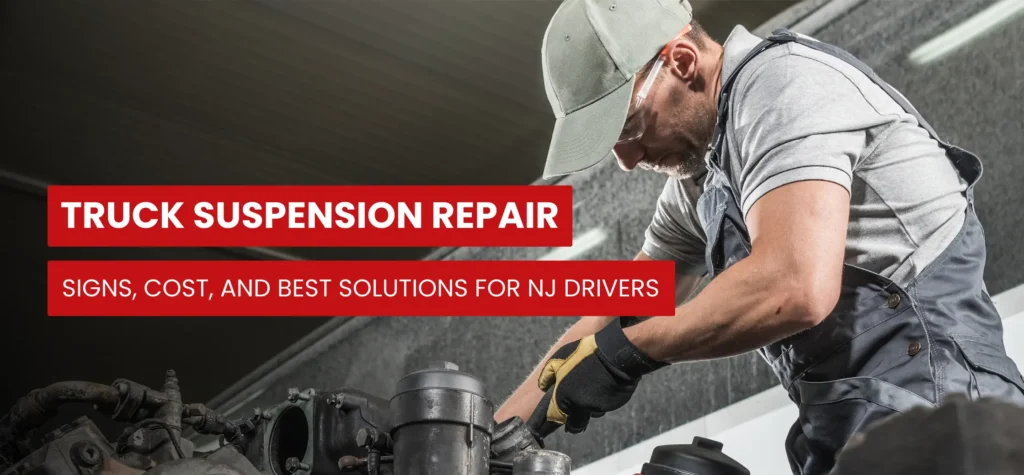
Truck Suspension Repair: Signs, Cost, and Best Solutions for NJ Drivers
Owning a truck in New Jersey is no easy task. From congested highways and industrial roads to potholes and winter salt, trucks face daily wear and tear. While engines, brakes, and tires get attention, the suspension system quietly does the hardest work. It supports the vehicle’s weight, absorbs shocks, stabilizes steering, and ensures safe handling. Unfortunately, many NJ truck drivers overlook minor signs of suspension wear until it escalates into a costly problem. By the time someone searches for truck suspension repair near me, they often face additional issues with tires, alignment, or braking performance. Understanding the truck suspension repair process and recognizing early signs can save time, money, and improve safety on the road. This guide explores how suspension systems fail, key signs to watch for, the repair process in detail, associated costs in New Jersey, and preventative strategies to extend your truck’s performance. How Truck Suspension Systems Fail Truck suspension systems consist of interconnected components that work together to maintain stability, absorb impact, and manage vehicle weight. The main elements include springs, shock absorbers, bushings, joints, and mounts. If one component begins to fail, it stresses the others, gradually reducing performance and safety. In New Jersey, the stress on trucks is amplified by local conditions. Heavy stop-and-go traffic, industrial roads with potholes, uneven highways, and winter salt can accelerate corrosion and wear. Heavy loads compound this stress further, causing premature deterioration of suspension components. Failure typically occurs in stages: Shock absorbers weaken first, leading to excessive bouncing after bumps. Springs lose tension, resulting in sagging under normal loads. Bushings and joints crack, destabilizing alignment. Mounts wear down, shifting wheel angles and causing uneven tire wear and handling issues. By recognizing these stages early, drivers can schedule truck suspension repair before minor issues escalate into expensive repairs. Signs Your Truck Needs Suspension Repair Early detection is crucial. Many drivers ignore common truck problems, such as excessive bouncing, uneven tire wear, or sagging springs, which often indicate the need for truck suspension repair. Driving Indicators: Excessive bouncing over bumps Nose-diving during braking Leaning or swaying during turns Rear sagging even under normal loads Loose or delayed steering response Visual Indicators: Uneven tire wear patterns Oil residue on shocks indicating leakage Cracked or dried bushings Truck leaning to one side when parked Safety Concerns: Longer braking distances Poor stability at highway speeds Unstable handling during emergencies When multiple signs are present, scheduling truck suspension repair near me immediately is recommended to prevent further damage. Detailed Step-by-Step Truck Suspension Repair Process A proper truck suspension repair is methodical. Each step is designed to restore stability, ride quality, and safety. Here is a complete explanation of the repair process: 1. Complete Inspection of Shocks, Springs, Bushings, Joints, and Mounts The first step involves a thorough examination of all suspension components. Technicians look for: Leaks or worn-out shock absorbers Weak or broken springs Cracked or dry bushings Loose or damaged joints Corroded or worn mounting points This inspection identifies both visible and hidden damage, ensuring nothing is missed. Detecting problems at this stage prevents secondary damage to tires, steering, or alignment. 2. Identification of Worn or Damaged Components After inspection, mechanics classify components based on wear severity. Shock absorbers may leak or lose damping ability, springs might sag, bushings can crack, and mounts may fail. Accurate identification ensures the repair is targeted, cost-effective, and thorough. 3. Prioritization of Urgent Repairs Not all suspension issues are equally urgent. Mechanics determine which components are safety-critical. For example: Worn shocks affect braking and control Broken bushings compromise stability Sagging springs lead to uneven weight distribution Prioritization ensures essential repairs are addressed first, restoring safety before aesthetic or minor performance issues. 4. Replacement with High-Quality, Load-Rated Parts Replacement components are critical for long-term performance. Using high-quality, load-rated parts ensures the suspension handles both cargo weight and NJ road conditions effectively. This step may include: Shock absorber replacement for trucks Spring replacement Bushings, joints, and mounts replacement Properly installed parts prevent recurring problems and extend the life of the truck’s suspension system. 5. Alignment Correction to Restore Geometry Suspension repair alone is not enough; alignment is essential. After replacing components, wheel angles are adjusted to ensure: Even tire contact Proper steering response Reduced tire wear Optimized handling Many NJ drivers underestimate the importance of combining truck alignment and suspension repair, but this step is crucial for safety and performance. 6. Road Testing to Confirm Stability and Handling After repairs and alignment, trucks undergo road testing. Technicians evaluate: Ride comfort Steering response Braking efficiency Handling over bumps and turns This ensures the repairs have restored factory-level performance and safety before the truck returns to service. 7. Preventative Recommendations for Ongoing Maintenance To keep your truck in top condition, mechanics also recommend regular truck maintenance, including: Regular inspections every 10,000–20,000 miles Preseason checks for winter salt and corrosion Timely shock absorber replacement for trucks Alignment checks after heavy hauling or rough road exposure Following these recommendations helps NJ truck drivers extend the life of their suspension system and avoid costly emergency repairs. Truck Suspension Repair Costs in New Jersey Suspension repair costs vary based on severity, truck type, and parts used. Understanding these helps drivers make informed decisions. Minor Repairs: Bushings, mounts, and minor adjustments Typically low cost if addressed early Moderate Repairs: Shock absorber replacement for trucks Partial suspension component replacement Medium cost, common for daily commercial trucks Major Repairs: Springs, multi-component rebuilds, full alignment High cost if repairs are delayed and secondary damage occurs Early intervention saves money. Ignoring minor issues can lead to additional tire wear, steering damage, and reduced fuel efficiency. Long-Term Solutions and Preventative Maintenance Preventative maintenance is the key to prolonging suspension life and reducing repair costs. Different trucks require specific approaches: Heavy Haul Trucks: Load-rated shocks and reinforced springs Frequent inspections every 10,000 miles Winter salt protection and corrosion prevention Commercial Daily Use Trucks: Routine inspections every 15,000 miles Timely shock absorber replacement Alignment checks with each service Light Duty or Seasonal Trucks:
Truck Suspension Repair: Signs, Cost, and Best Solutions for NJ Drivers Read More »